63% of seniors plan on aging in their homes. However, under 4% of housing units could be considered livable by people with moderate mobility difficulties.
Home Accessibility Features
By including accessible living features in your project, you will make your home safer, more efficient, and easier for everyone to use now and in the future.
No Step Entry: Grading
Preferred method to achieve a zero-step entrance.
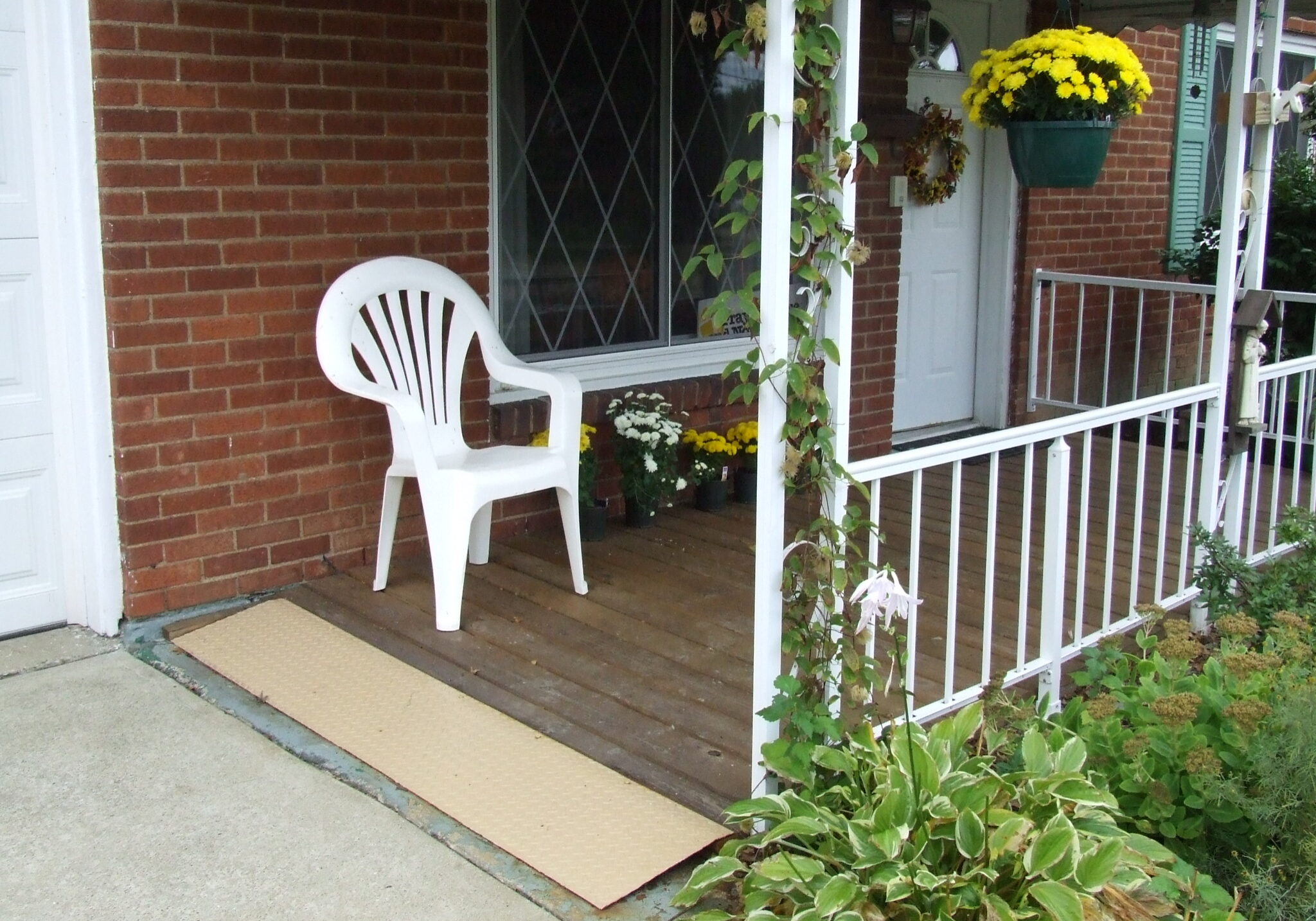
No Step Entry: Ramps & Thresholds
This is often the least expensive option for existing homes.
Low, beveled threshold ramps are an alternative to eliminate barriers.
Entry Security
Windows on or near exterior doors. Additional peephole at a lower height.
Audio or video intercom, programable keyholder, and Knox box, if feasible.
Strong Lighting
Increase the lighting on your stairs and in hallways.
Place task lighting where it's needed to increase visibility and safety.
36-Inch Doorways
Doorways should have a minimum 32" clearance, with a preference for 36" provides room for most people and increases usability.
Swing-clear Hinges
Swing-clear hinges easily provide clearance space, adding about two inches of clearance.
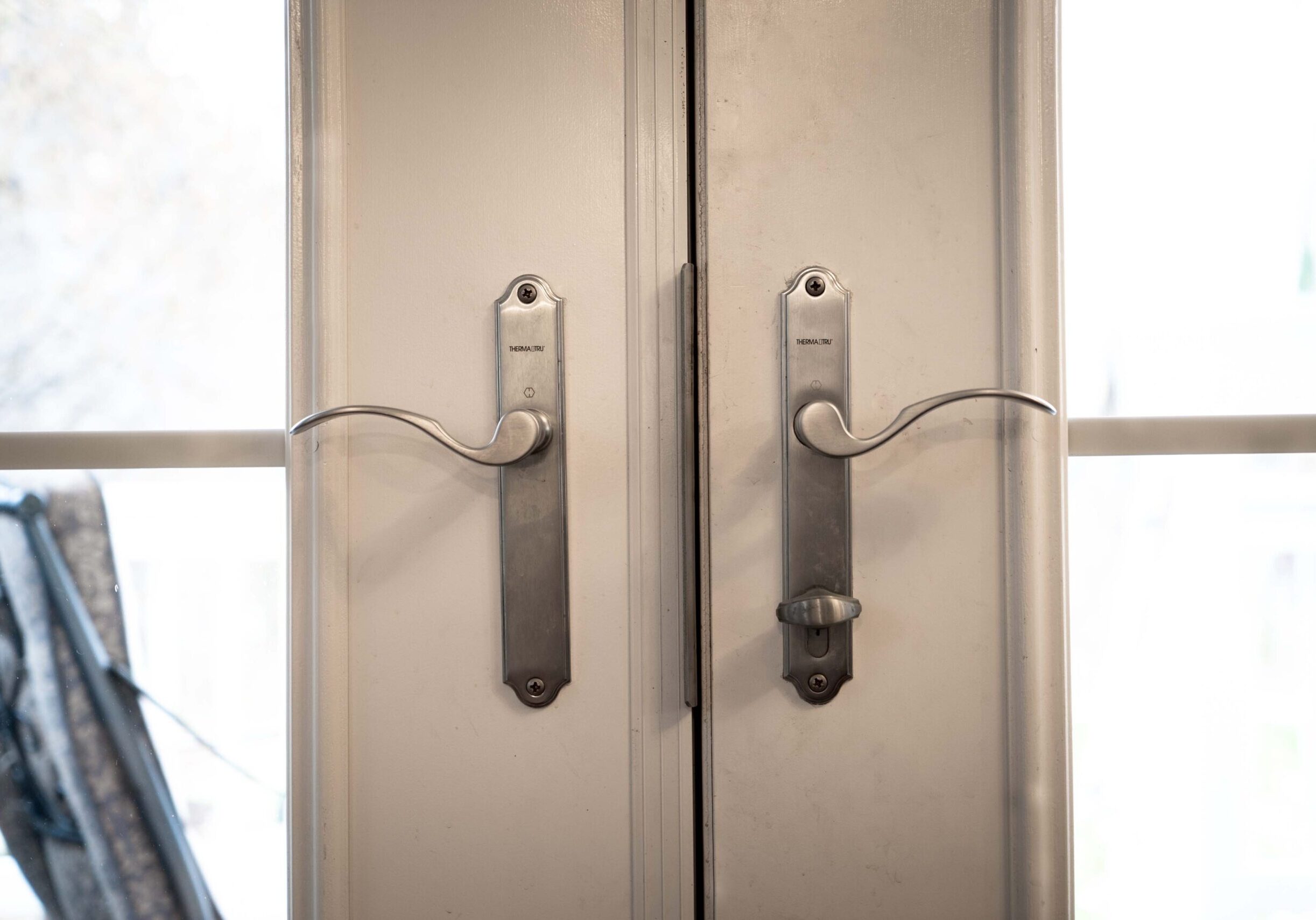
Lever Door Handles
Useable door handles with a return and lockset don't require a strong grip or friction to turn.
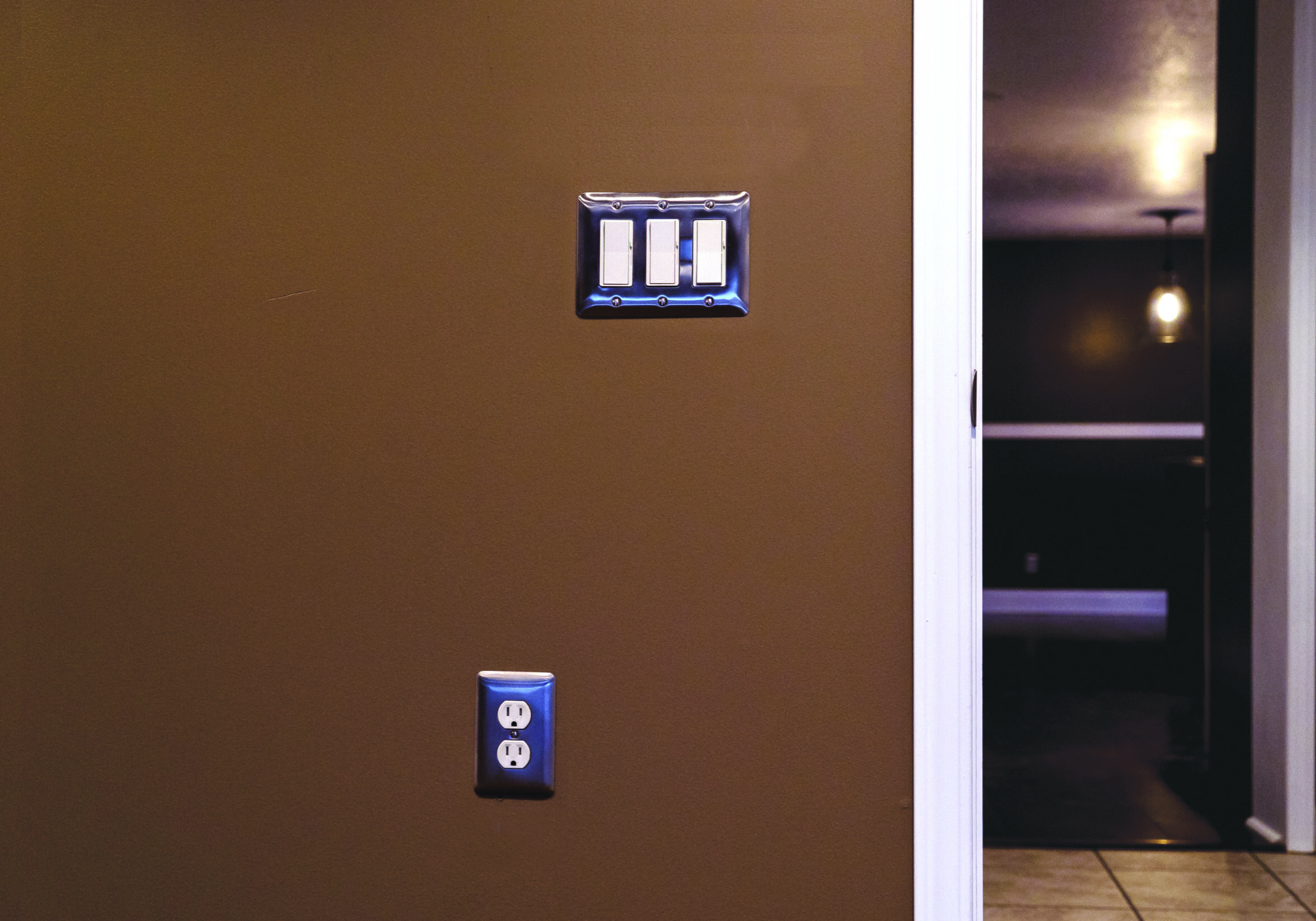
Easy-to-reach Switches & Outlets
Outlets should be placed, at minimum, 15" above the floor, and at a maximum of 48" above the floor. This applies to thermostats and other controls.
Appropriate Flooring
Use smooth materials and surfaces such as tile, carpet glued to the floor, wood, or laminate to reduce the risk of falling or tripping.
Low transitions between flooring, no more than 1/4" beveled.
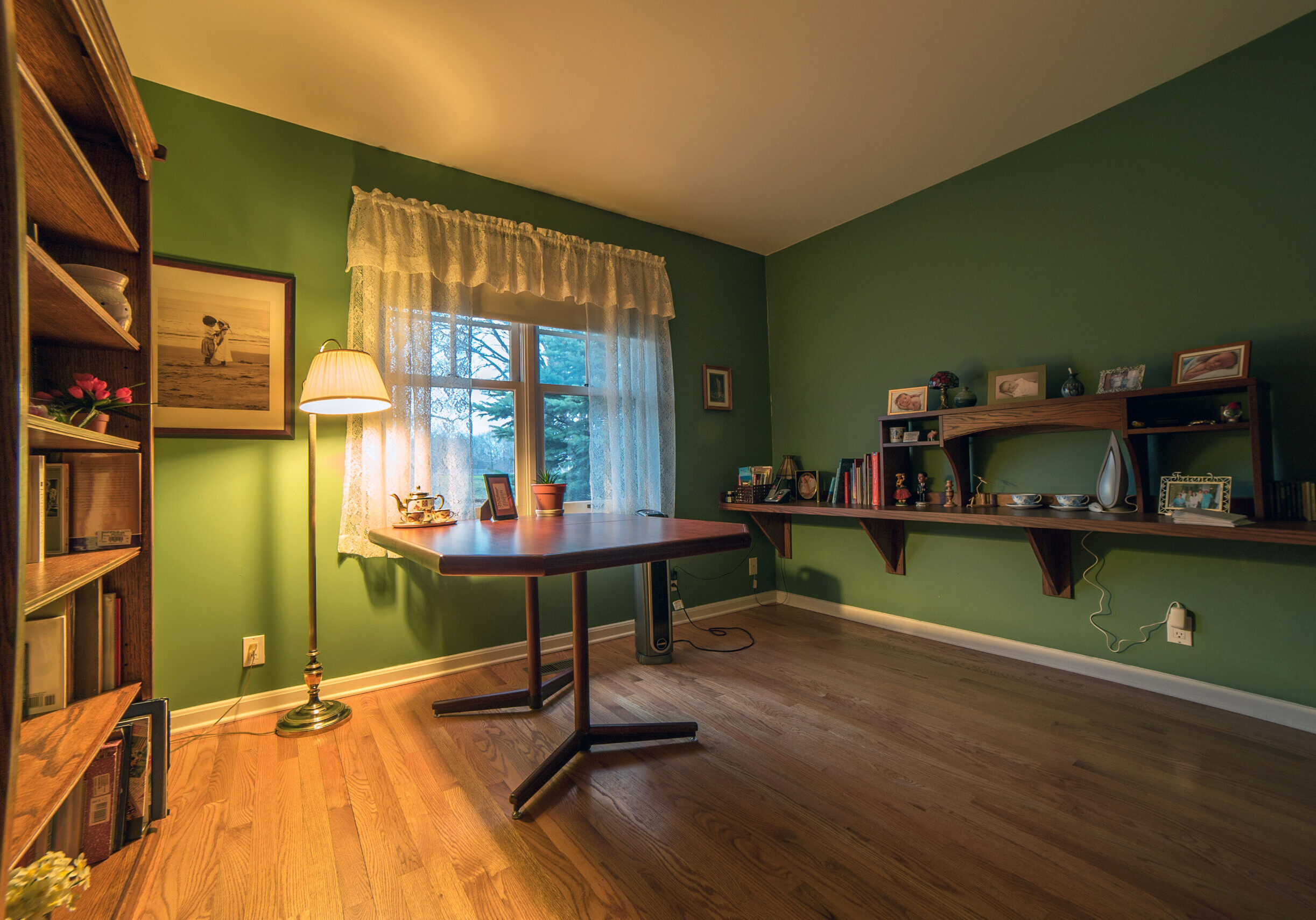
Clear Travel Path
Remove all excess furniture, cords, and other trip hazards to provide a safe route throughout your home.
If feasible, consider removing walls for a more open space and clear excess furniture.